
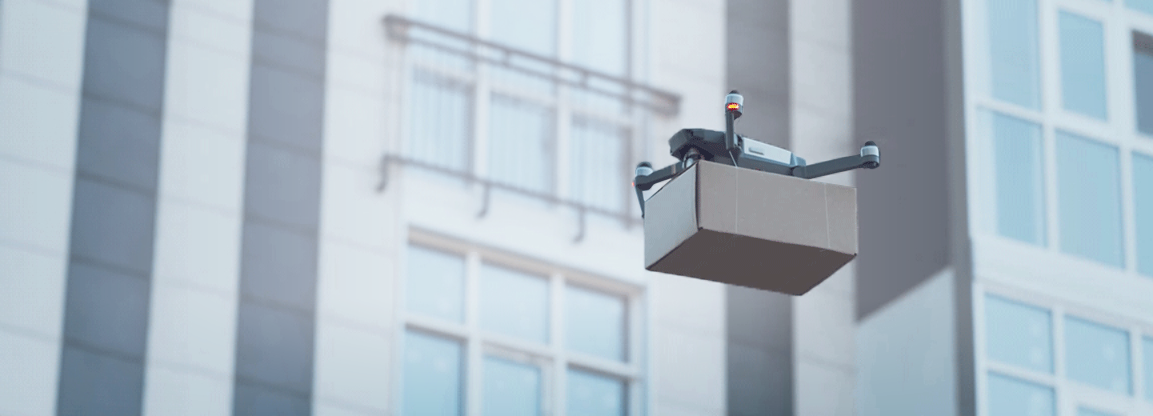
Packaging is not just cardboard. Good packaging becomes part of the product. It protects, stabilises and makes it transportable – regardless of whether the journey takes it to the end of the factory floor, to the warehouse or to the other side of the world. Packaging design is a matter of experience and passion for the task. Our goal is to select the optimal combination from the wide range of packaging materials available and thus always offer you the right packaging solution tailored to your requirements.
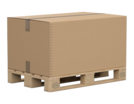
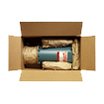
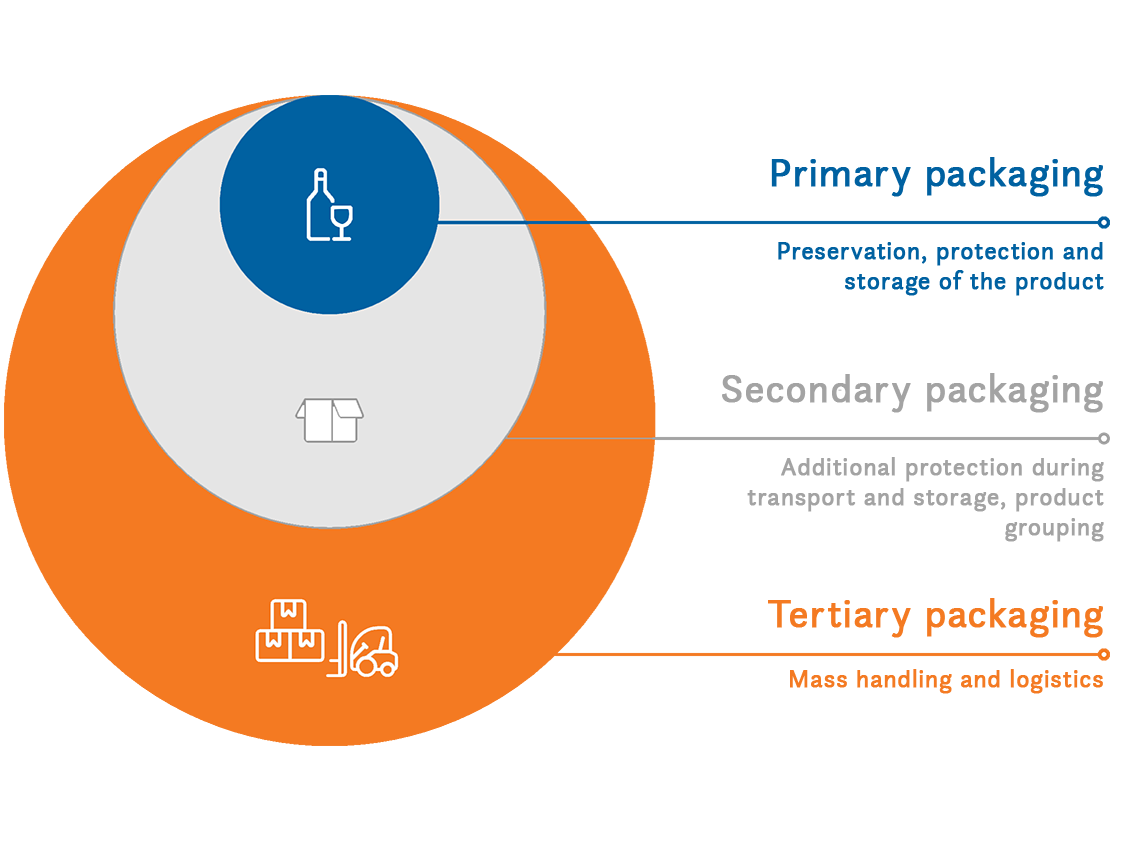
There are three different types of packaging, which are divided into primary, secondary and tertiary packaging according to their function. Depending on the goods being packaged and their intended use, they can be made of different materials such as glass, plastic, cardboard and wood.
Primary packaging
The primary packaging directly preserves the product. It may also feature labels with important consumer information and brand logos. The material used for the primary packaging must be compatible with the product and directly protect the product it contains.
Examples of primary packaging:
» Kraft paper
» Plastic protective bags and films
» Blister packs
» Metal tins
» Glass jars
Secondary packaging
Secondary packaging protects during storage and transport and is often used as sales packaging. It does not come into direct contact with the product, but provides additional protection and serves to group and present products.
Examples of secondary packaging:
» Outer cartons
» Films
» Folding boxes
Tertiary packaging
Tertiary packaging primarily ensures transport and load safety and combines several small packaging units, e.g. on pallets or in containers. It is mainly used for logistical purposes during transport and storage. The end consumer does not see the tertiary packaging.
Examples of tertiary packaging:
» Containers
» Pallets
» Crates
» Big bags



You can find the right packaging for your product with sound, expert advice. Knüppel supports you in developing a customised packaging solution that is precisely tailored to your requirements.
The right packaging is not the cheapest individual component, but the solution that ensures your packaged goods arrive at their destination undamaged, safe and cost-efficient. In other words, packaging is right for your product if it fully meets your company's requirements in terms of product protection, cost-effectiveness, handling and process reliability.
The process for customised packaging begins with the recording of all technical, logistical and economic requirements, as well as the analysis of previous packaging solutions and documented failed attempts. Product data such as drawings, 3D models or existing samples are then forwarded to the packaging development department.
On this basis, the packaging development department creates a customized packaging concept, which is approved after coordination or adjusted according to specific change requests. A prototype (hand sample) is then produced and jointly evaluated in terms of protective performance, handling, assembly, ergonomics, and cost-effectiveness. The sample is subsequently approved or revised in a targeted manner. Depending on the requirements, drop tests, vibration tests, or internal practical tests are conducted to ensure compliance with transport requirements.
Once approval has been granted, the series order is placed. Before the start of mass production, a final approval sample is inspected to ensure the agreed quality standards are met.
Yes, reusable packaging solutions are an integral part of our portfolio. We develop durable and robust packaging solutions designed for repeated use in transport and logistics processes.
Depending on the application, some of our reusable packaging solutions can be used for several years, thereby helping to reduce packaging waste and process costs. One example is the Granby Box, a sturdy wooden folding box that is well suited for repeated use thanks to its stable construction.
